The Path to Exceptional Event Audio
Great sound is the result of hundreds of intentional decisions made before, during, and after your event. This guide covers the fundamentals that our engineers apply to every production — from an intimate corporate dinner to a 10,000-person outdoor festival.
1. System Design Starts with the Room
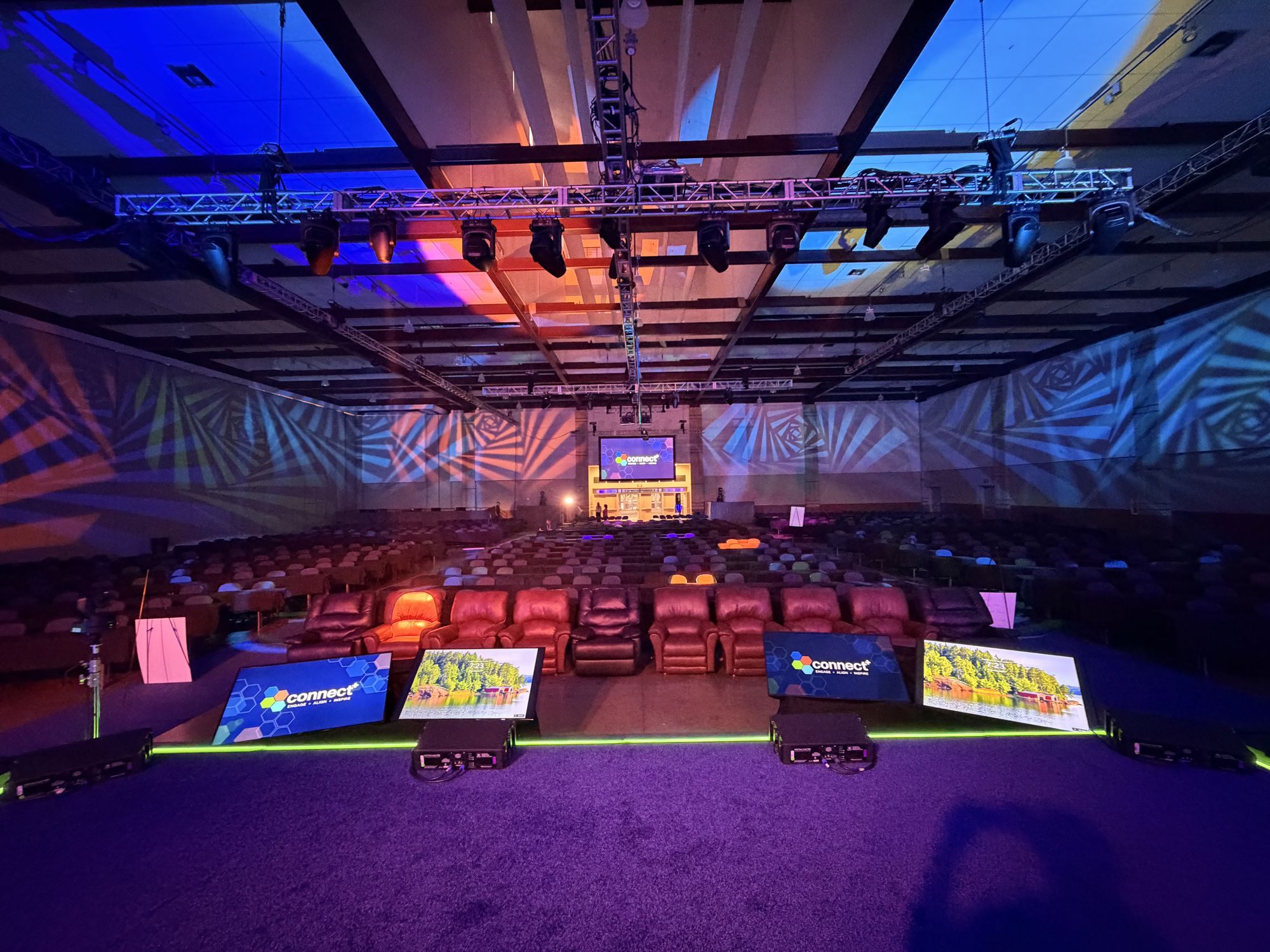
Every venue has an acoustic fingerprint. Hard surfaces reflect sound; soft surfaces absorb it. Before selecting a single piece of gear, our engineers assess the room's dimensions, surface materials, occupancy, and existing HVAC noise floor.
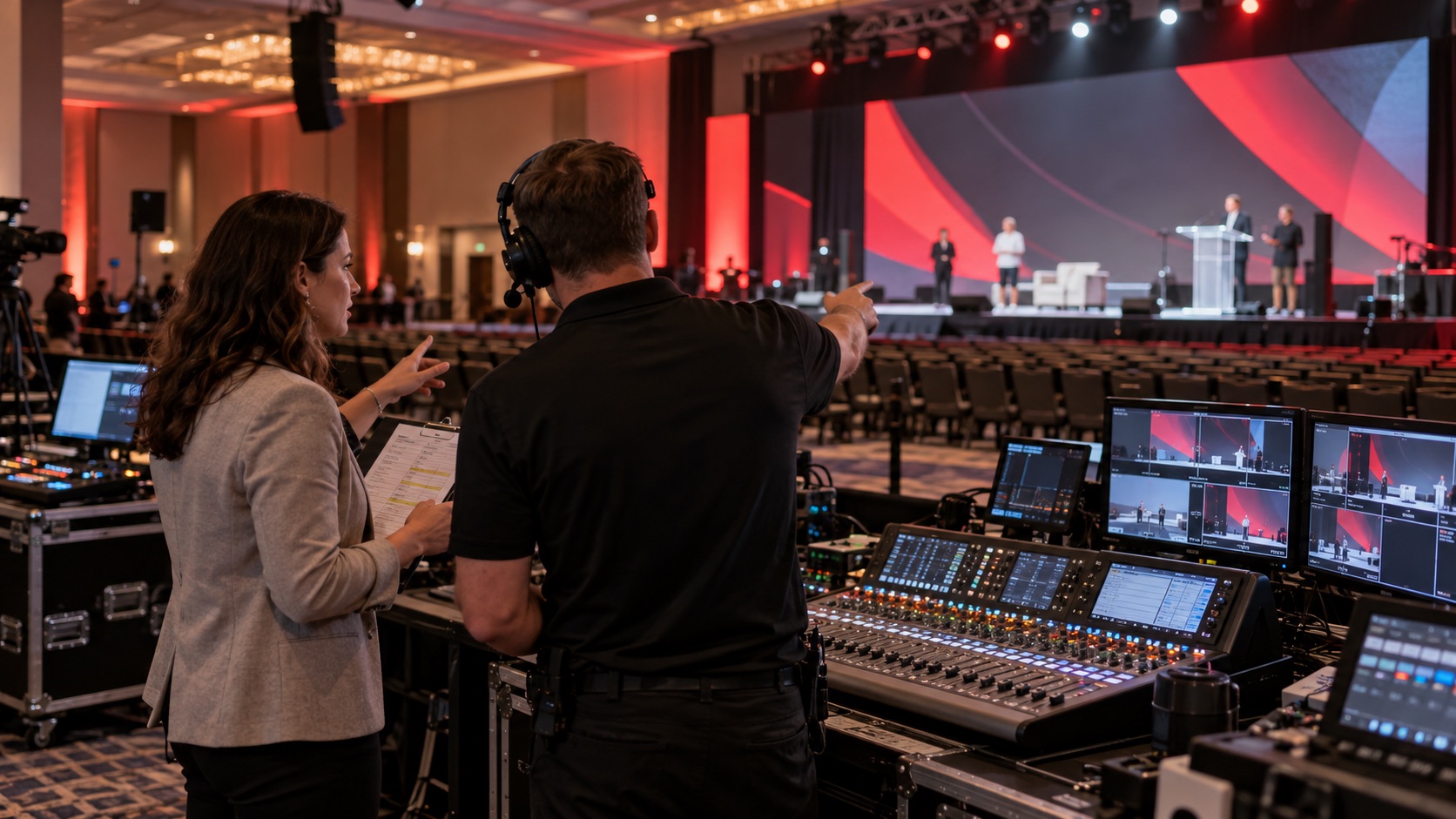
A system designed for a reverberant ballroom looks completely different from one designed for an outdoor amphitheater. Getting this wrong at the design stage is expensive and difficult to fix on show day.
2. Choose the Right Speaker System
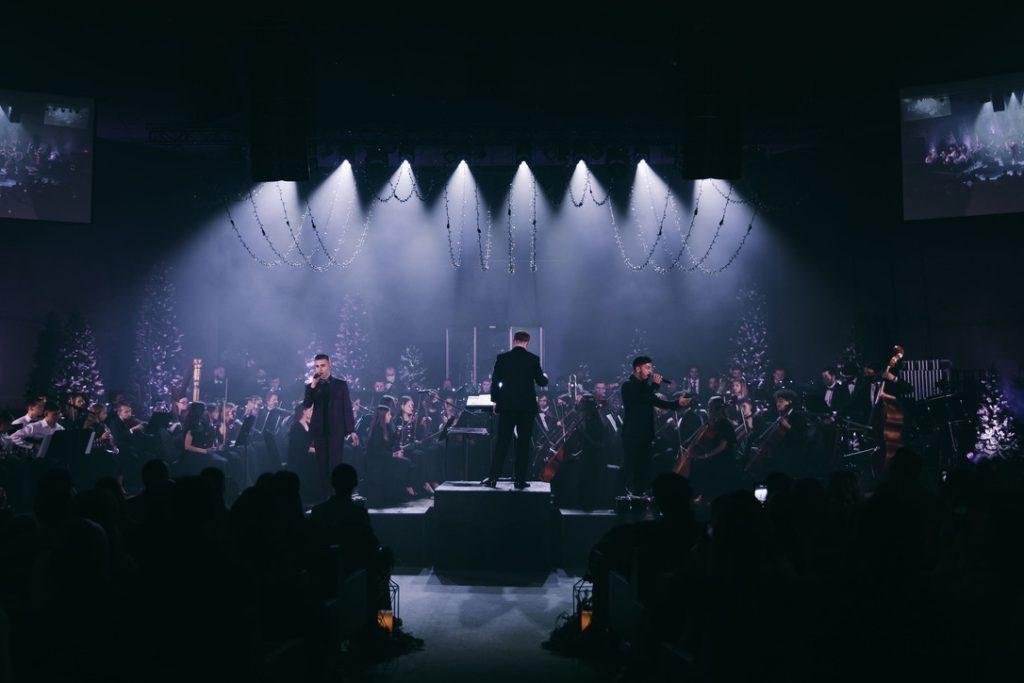
Line arrays are the workhorses of large-scale live events. Their vertical arrays provide controlled dispersion that sends sound precisely to the audience without wasteful reflections off the ceiling.
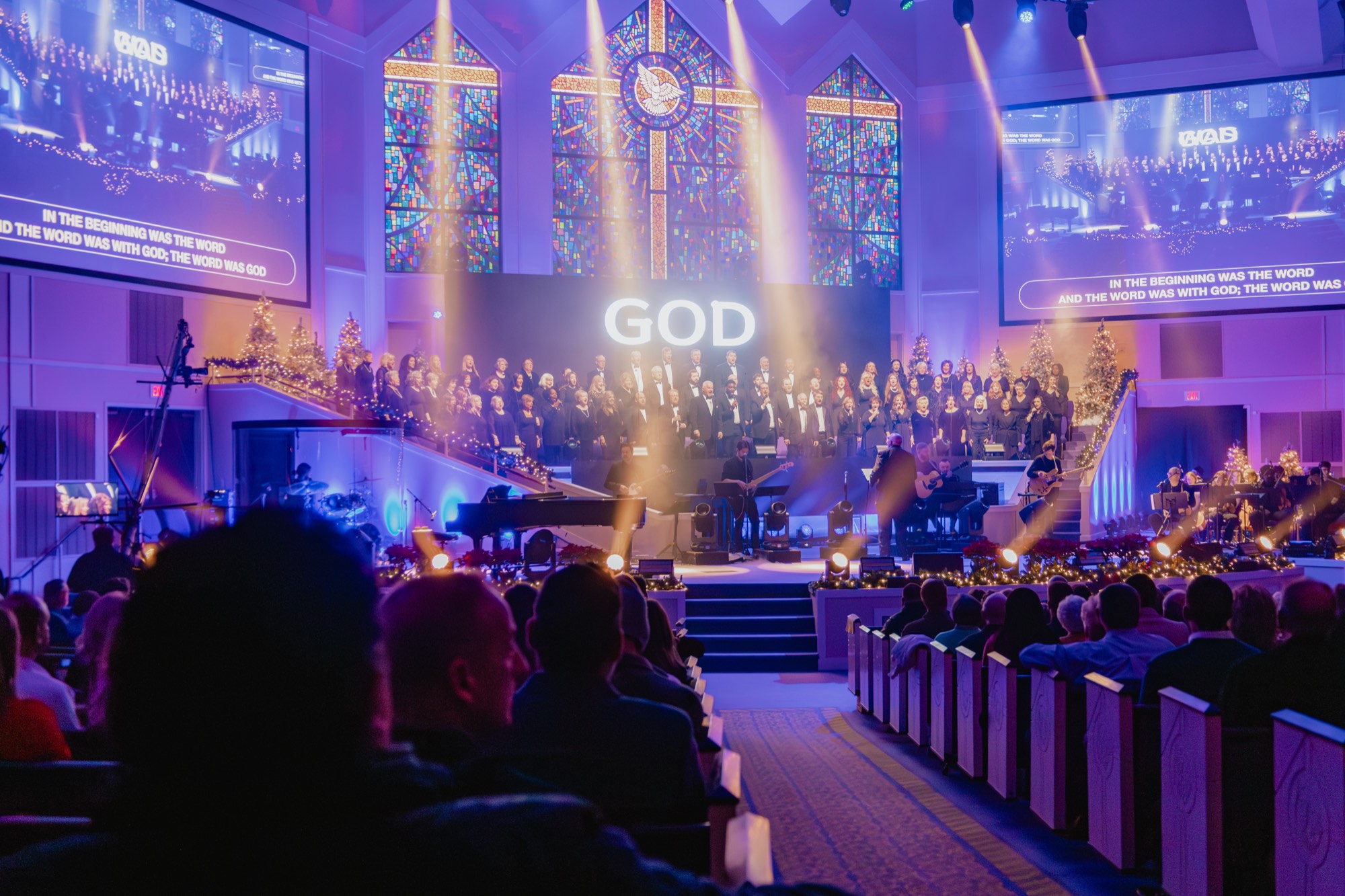
Point source systems excel in smaller venues and situations where precise, focused coverage is needed — think awards ceremonies, corporate presentations, or house of worship services.
Distributed systems (matrix systems with multiple smaller speakers) work well in venues with challenging architecture — long, narrow rooms, venues with obstructions, or spaces where a single cluster can't reach everyone.
3. Gain Structure Is Everything
Proper gain structure — setting the right signal levels at each stage of the audio chain — is the foundation of clean, dynamic sound. Start at the source (microphone or instrument), set optimal input gain, and carry that clean signal through every processor, amp, and speaker in the chain.
Low-level hum, distortion, and noise are almost always gain structure problems, not equipment problems.
4. Time Alignment
In any system with multiple speaker arrays at different distances from the audience, time alignment is critical. Without it, audiences in the middle of the venue hear the same sound twice — once from the near cluster, once from the far cluster — creating a muddy, confusing listening experience.
Our engineers use DSP processors to align every driver in the system so the entire audience hears a single, cohesive sound source.
5. EQ for the Room, Not the Solo
System EQ should be set for the room, not optimized for one type of content. Use a real-time analyzer and measurement mic to identify frequency buildups and dips, then correct them with precision EQ — typically a 1/3-octave graphic or parametric system processor.
The goal is a flat, neutral transfer function. Mix engineers can then shape the sound from there without fighting the room.
6. Monitor the Monitors
Stage monitoring is often where sound quality falls apart. Performers who can't hear themselves clearly tend to sing louder, leading to more stage wash, more feedback risk, and a worse front-of-house mix for the audience.
Invest properly in stage monitoring — whether that's a professional wedge system, in-ear monitors, or a combination of both. Your performers and your audience will both benefit.